
Heart Health 101: Cholesterol Blood Pressure and Inflammation

Reviewed for accuracy. This article is for educational purposes only and is not intended as medical advice. Always consult your healthcare provider before making changes to your health routine.
If someone asked you what causes heart disease, you would probably say cholesterol.
For decades, we have been told that is the main problem.
But what if that is only part of the story?
What if cholesterol — a substance your body makes on purpose, in every single cell — has been misunderstood?
At Barton Nutrition, we believe you deserve the full picture. And the full picture of heart health is not just about cholesterol. It is about three interconnected factors: inflammation, blood pressure, and cholesterol — and understanding the real role each one plays.
Let us start with the one most people get wrong.
Heart Disease: Why This Matters
A quick look at the bigger picture.
Source: AHA 2026 Heart Disease and Stroke Statistics; CDC Heart Disease Facts
With numbers like these, it is worth asking: if cholesterol-lowering has been the primary strategy for decades, why is heart disease still the number one killer? The answer may be that we have been focused on the wrong target.
Cholesterol: The Misunderstood Molecule
What Cholesterol Actually Is
Here is something that may surprise you: cholesterol is not a fat. It does not come from eating fat. And it is not a toxin your body is trying to get rid of.
Cholesterol is a waxy, fat-like substance that every cell in your body makes on purpose. Your liver produces it. Your brain cells produce it. Your immune cells produce it. Your cells use their own energy to create cholesterol because they literally cannot function without it.
If cholesterol were truly dangerous, why would every cell in your body go to the trouble of making it?
What Cholesterol Does for Your Body
It is not a villain. It is essential for life.
Every cell needs cholesterol to hold its shape, absorb nutrients, and keep toxins out.
Synthesizes vitamin D for calcium regulation, immunity, and bone health.
Produces CoQ10, which re-energizes cells and powers your heart muscle.
Precursor to testosterone, estrogen, progesterone, and cortisol. No cholesterol means no hormones.
Forms myelin, the protective sheath your nerves need for memory, cognition, and signaling.
Produces bile for absorbing fats and fat-soluble vitamins A, D, E, and K.
As Dr. Scott Saunders, M.D. has written: you cannot make any cells, or keep them alive, without cholesterol. It functions like the structural integrity of your cells the way your skin protects your body from the outside world.
The Problem with Blaming Cholesterol
For decades, the mainstream approach has been simple: high cholesterol causes heart disease, so lower your cholesterol as much as possible. Statins became one of the most prescribed drugs in history based on this idea.
But that approach raises important questions:
If driving cholesterol down were the answer, why is heart disease still the number one cause of death after decades of widespread statin use?
And if cholesterol itself were the problem, why do many people with "normal" cholesterol still have heart attacks — while some people with high cholesterol never develop heart disease at all?
The answer increasingly points to something else entirely: inflammation.
Cholesterol alone is not the root cause of heart disease. It is part of the response. The real question is: what is damaging your arteries in the first place?
What Actually Matters: The Ratio
If your doctor checks your cholesterol, the total number alone does not tell the full story. What matters far more is the relationship between your different types of cholesterol.
What About Statins?
Statins are among the most widely prescribed drugs in the world. They work by blocking the same pathway your body uses to produce cholesterol. And that is where the concern lies — because that same pathway also produces CoQ10, the compound your cells (especially your heart cells) need for energy.
This is an important conversation to have with your doctor. If you are currently taking a statin, do not stop without medical guidance. But it is reasonable to ask whether addressing inflammation, blood sugar, and lifestyle factors might support your heart health in a more holistic way.
Inflammation: The Real Driver of Heart Disease
If cholesterol has been given too much of the blame, then what is the real culprit? According to a growing body of research — including a landmark 30-year study published in the New England Journal of Medicine — the answer points strongly to chronic inflammation.
Here Is How It Actually Works
Inflammation is your body's natural healing response. When you cut your finger, inflammation sends repair cells to the area. That is helpful and temporary.
But chronic inflammation is different. It is low-grade, persistent, and invisible. It smolders inside your body for months or years, and here is what it does to your cardiovascular system:
Inflammation Damages Artery Walls
Creates tiny tears and rough spots in blood vessel walls. This is where heart disease starts — before cholesterol is ever involved.
Cholesterol Responds to the Damage
LDL cholesterol arrives as part of the healing response — like a repair crew, not an attacker.
Ongoing Inflammation Creates Plaque
When inflammation never stops, cholesterol keeps accumulating, forming plaque that can narrow or block arteries.
This is the key insight: cholesterol does not typically attack healthy arteries. It tends to accumulate in arteries that are already damaged by inflammation. As one researcher put it, blaming cholesterol for heart disease is like blaming firefighters for the fire because they are always found at the scene.
According to a 30-year study of over 27,000 women published in the New England Journal of Medicine in 2024, inflammation — measured by a blood test called hsCRP — was a powerful predictor of cardiovascular events. In many cases, it was as telling as cholesterol levels.
What Causes Chronic Inflammation?
Common Drivers of Chronic Inflammation
Notice: none of these are cholesterol. They are lifestyle and metabolic factors — most within your ability to change.
What Can You Do About Inflammation?
An anti-inflammatory lifestyle is one of the most powerful things you can do for your heart. Eat whole foods rich in omega-3 fatty acids, fiber, and antioxidants. Move your body regularly. Manage stress. Get enough sleep. Reduce processed foods, added sugars, and refined carbohydrates.
Certain nutrients have shown strong promise as well. Omega-3 fatty acids from fish oil have solid evidence for reducing inflammatory markers. Berberine has been shown in clinical research to reduce CRP, IL-6, and TNF-alpha — three key markers your doctor may test for. And maintaining healthy blood sugar is one of the single most effective ways to keep inflammation in check.

Barton's Omega-3
Your inflammation defense.
Premium wild-caught fish oil and krill oil — 1,200mg of omega-3s per serving. Supports heart health and reduces inflammation. Natural lemon essence, so no fishy aftertaste.
Learn MoreBlood Pressure: The Silent Threat
What Is Blood Pressure?
Blood pressure is the force of blood pushing against the walls of your arteries as your heart pumps. The top number (systolic) is the pressure when your heart beats. The bottom number (diastolic) is the pressure when your heart rests between beats.
When blood pressure stays too high for too long, it damages blood vessel walls — which, as we just learned, creates the conditions for inflammation and cholesterol to become a problem.
The dangerous part? It usually has no symptoms at all. That is why it is called the "silent killer."
According to the American Heart Association's 2026 statistics update, roughly 125.9 million U.S. adults — about 47% — have high blood pressure. Many do not know it because they feel fine.
A landmark study published in Nature Medicine involving nearly 34,000 adults found that successfully treating high blood pressure may also reduce the risk of dementia.
What Can You Do About Blood Pressure?
Blood pressure responds powerfully to lifestyle changes. Reducing sodium, increasing potassium-rich foods, regular exercise, managing stress, limiting alcohol, maintaining a healthy weight, and keeping blood sugar in check all make a meaningful difference.
If your doctor prescribes blood pressure medication, taking it consistently is critical. And ask about the role inflammation and blood sugar may be playing — they are often connected.
How All Three Connect
Here is the bigger picture most people never hear:
PRESSURE
Inflammation damages arteries. Cholesterol arrives to repair them. High blood pressure accelerates the damage. All three feed each other. Break the cycle by addressing inflammation and blood sugar first.
This is also why blood sugar is so important for heart health. Chronically elevated glucose is one of the most potent drivers of inflammation and blood vessel damage. If you are managing diabetes or prediabetes, you are also protecting your heart.
What You Can Do Today
The most effective approach to heart health is not obsessing over one number. It is addressing the root causes through daily choices.
Eat an Anti-Inflammatory Diet
Fatty fish, vegetables, nuts, olive oil, berries, and fiber. Reduce processed foods, sugar, and refined carbs.
Move Every Day
Even 20 minutes of walking lowers blood pressure, reduces inflammation, and boosts HDL. No gym required.
Manage Your Blood Sugar
Elevated blood sugar drives inflammation and arterial damage. Keeping glucose steady protects your heart.
Have the Full Conversation
Ask your doctor about your cholesterol ratio, hsCRP, and blood sugar. Get the full picture, not just one number.
The Bottom Line
Cholesterol is not the enemy. It is essential for every cell, every hormone, and your brain.
Inflammation is the real driver of artery damage and heart disease.
Blood sugar plays a central role in driving inflammation and vessel damage.
Your cholesterol ratio matters more than your total number.
An anti-inflammatory lifestyle is the most powerful heart protection you have.
Your heart has been working for you every second of your life.
Now you know how to truly work for it.
If you want extra support alongside these lifestyle changes, certain targeted nutrients can help address inflammation, blood sugar, and heart health more directly.
What We Recommend
Based on the science discussed in this article, these are the supplements our team and Dr. Saunders stand behind.
Omega-3
For inflammation support
Wild-caught fish and krill oil. 1,200mg per serving. IFOS certified. Lemon essence — no fishy aftertaste.
Learn More
Berberine
For blood sugar + inflammation
Clinically studied for reducing blood sugar, A1C, and key inflammatory markers like CRP and IL-6.
Learn More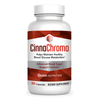
CinnaChroma
For blood sugar + insulin support
6-in-1 formula with Ceylon cinnamon, chromium, and Vitamin D3. Steady glucose protects your heart.
Learn More
TurmericBP+
For direct inflammation support
Antioxidant protection that targets chronic inflammation. Supports heart, joint, and brain health naturally.
Learn MoreFree US Shipping Over $100 | 90-Day Money-Back Guarantee
References (click to expand)
1. Palaniappan LP, et al. (2026). "2026 Heart Disease and Stroke Statistics." Circulation, 153, e275-e906. Circulation
2. CDC. "Heart Disease Facts." Updated Jan 2026. CDC
3. Dr. Scott Saunders, M.D. "The Important Functions of Cholesterol." Home Cures That Work
4. "The Case for Cholesterol." Home Cures That Work
5. "Are Statins More Dangerous Than Cholesterol?" Home Cures That Work
6. AHA. "Understanding Blood Pressure Readings." AHA
7. AHA. "2025 Major Research Findings." AHA
8. Ridker PM, et al. (2024). "Inflammation, Cholesterol, Lipoprotein(a), and 30-Year Cardiovascular Outcomes in Women." NEJM, 391, 2087-97. NEJM
9. AHA. "Life's Essential 8." AHA
*These statements have not been evaluated by the Food and Drug Administration. This product is not intended to diagnose, treat, cure, or prevent any disease.*
Related Articles:
How to Lower Blood Sugar Naturally


